A SIP number is a phone number — geographic, national, or mobile — delivered over an IP connection using the Session Initiation Protocol (RFC 3261) rather than the traditional copper PSTN. From the caller’s point of view, a SIP number looks and behaves exactly like a normal phone number: you dial it from a mobile, a landline, or another VoIP client, and it rings. The difference is on the network side: the call is routed over the internet to a SIP endpoint — an IP phone, a softphone, or a cloud PBX extension. In 2026, a SIP number is the default choice for UK and EU businesses replacing ISDN lines, opening new geographic markets, or equipping remote and hybrid teams.
For the protocol background, read our guide on what SIP calls are and how they work. For a practical extension on an existing PBX, see how to call a PBX extension directly. To understand the broader landscape, see our best virtual PBX comparison and our telephone extensions in general overview.
What exactly is a SIP number?
A SIP number is the combination of three things:
- A regular phone number in E.164 format (for example,
+44 20 4538 1234for a London number, or+34 91 123 45 67for Madrid). It is reachable from any phone network in the world. - A SIP account registered with a VoIP provider (Fonvirtual, 3CX, RingCentral, BT, Gamma, Vonage, etc.). The account carries the credentials used by your device to register.
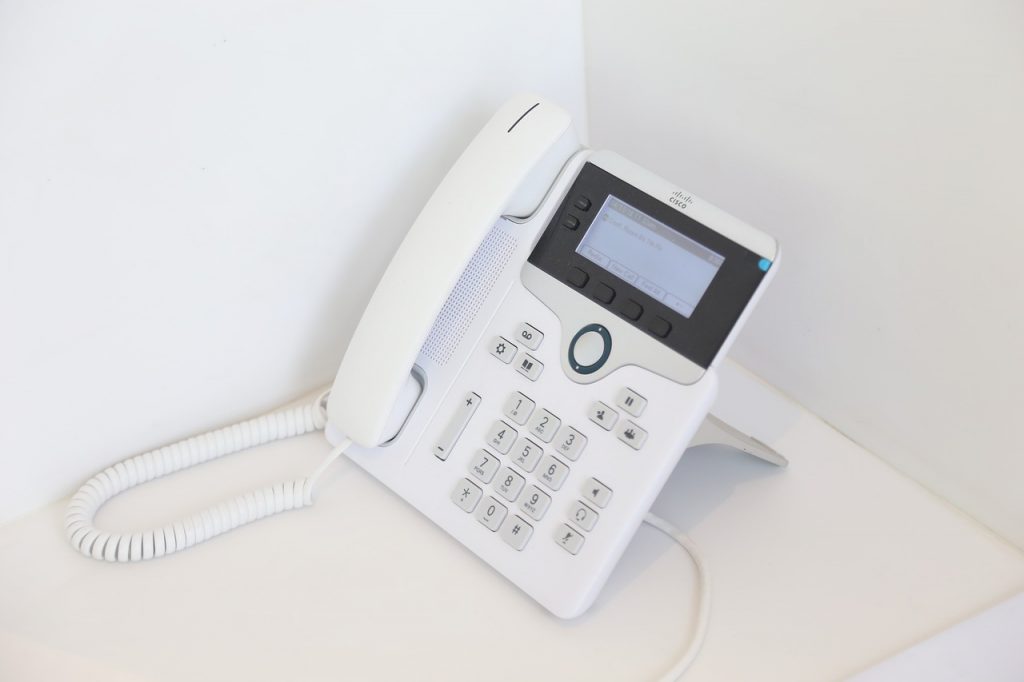
- A SIP endpoint — the device or app that rings when the number is called. It can be a physical IP desk phone, a softphone on a laptop, a mobile app, or a web browser using WebRTC.
The key difference from a traditional PSTN number is flexibility. With PSTN, a number is bound to a physical line at a fixed address. With SIP, the number is bound to an account that can be re-pointed to any device, in any location, in minutes. Move offices, change providers, switch from desk phone to mobile app: the number stays the same.
Types of SIP numbers available in 2026
SIP numbers fall into four broad categories, each with its own pricing model and regulatory treatment.
| Type | Format | Typical monthly cost (UK, 2026) | Porting |
|---|---|---|---|
| Geographic (DID) | 01/02 + local code (e.g. 020 for London) | £1–£5 per number | 1 working day, free |
| National | 0330, 0333, 0800, 0808, 0845 | £2–£10 per number + per-minute | 1–5 working days |
| Mobile | 07xxx xxx xxx | £3–£8 per number | Same provider restriction, 1 working day |
| International iNUM / DDI | + country code + local number | £2–£15 per number per country | Depends on country regulator |
Geographic SIP numbers are the most common in business. A London-based company that wants to appear local in Manchester simply provisions a Manchester SIP number (0161) and points it to the same London reception. The caller dials a normal UK number; the call routes over IP to the London team.
National non-geographic numbers like 0800 (freephone) and 0333 (local-rate) are often used for customer service lines. Ofcom’s guidance on phone numbering and call charges sets the consumer protection rules for these ranges.
International SIP numbers (sometimes called DDI or iNUM) let you present a local presence in 50+ countries from a single platform. A Spanish company can hand out a French, German, and UK number to customers, all ringing into the same Madrid-based team.
How to get a SIP number in 5 steps
Provisioning a SIP number is straightforward and typically takes minutes once you have chosen a provider.
- Choose a VoIP provider — in the UK and EU, the main categories are: (a) pure-cloud PBX platforms (Fonvirtual, 3CX, RingCentral, Genesys, Zoom Phone, Microsoft Teams Phone); (b) traditional telcos with SIP trunk products (BT, Gamma, TalkTalk Business, Virgin Media O2 Business); (c) niche providers focused on international DIDs (Teloz, DIDWW, Voxbone).
- Pick a number — most providers show a real-time inventory of available numbers by area code. You can often choose a memorable or vanity number (e.g. 020 7946 0123).
- Complete KYC checks — UK and EU regulations require identity verification before activating a number. You’ll be asked for a company registration document, an address, and a contact person. The activation is usually automatic after the checks pass.
- Configure the SIP endpoint — install a softphone (Zoiper, Bria, Linphone, or the provider’s own app) on your device, or plug in an IP desk phone. Enter the SIP server address, username, and password provided in the welcome email.
- Test and go live — make a test call in and out, check call quality, and configure failover routes (e.g. forward to mobile if the SIP endpoint is unreachable). Your SIP number is live.
What does a SIP number cost in 2026?
The total cost of a SIP number has three components, and you should compare all three across providers, not just the headline rate.
- Number rental — typically £1–£15 per month per number, depending on the type (geographic, national, international).
- Inbound call minutes — usually included in a bundle. UK landline-to-SIP calls are free or near-free; UK mobile termination costs around 1–3 p/min in 2026.
- Outbound call minutes — UK landline and mobile bundles range from £10 to £25 per user per month for unlimited; per-minute rates are 0.5–2 p for UK landlines and 3–8 p for UK mobiles.
International calls follow a per-minute rate card (e.g. €0.02/min to most of the EU and US, €0.10–€0.30/min to mobile in those regions). Many providers also offer a small number of free international minutes as part of higher-tier plans.
Porting an existing number to SIP
If you already have a phone number on the PSTN or ISDN, you can port it to a SIP provider without changing the digits your customers dial. In the UK, Ofcom’s General Conditions of Entitlement give you the right to port a geographic or mobile number to any compatible provider, typically within 1 working day for single-line ports and up to 10 working days for multi-line or complex ports. The losing provider cannot refuse a port unless there is a regulatory reason (e.g. the number is under investigation).
During the port, the number is briefly unreachable. Most providers schedule the cutover for early morning or out-of-hours to minimise disruption.
Practical use cases for a SIP number
- Replacing ISDN — the UK PSTN switch-off runs 2025 to 2027. A SIP number is the direct, low-friction replacement for an ISDN line.
- Multi-site presence — a UK company with offices in London and Manchester gives customers a local number for each, both ringing into the same cloud PBX.
- International expansion — a London startup launches in Paris and Berlin by provisioning French (+33) and German (+49) SIP numbers, all answered by the same UK team.
- Remote and hybrid workers — a sales rep based in Cornwall keeps the company’s 020 London number on their mobile softphone, indistinguishable from a desk-based colleague.
- Per-employee direct lines — DDI (Direct Dial Inward) numbers let customers reach a specific person without going through a switchboard, useful for sales reps, account managers, and support specialists.
Frequently asked questions about SIP numbers
Is a SIP number the same as a virtual number?
Functionally, yes. A virtual phone number is the user-facing term; a SIP number is the technical term for a virtual number delivered over a SIP connection. Most providers and most customers use the terms interchangeably. The exception is mobile virtual numbers, which can be SIP-based or app-based (e.g. Skype-style) — check the underlying technology before assuming PSTN-grade reliability.
Can I keep my existing phone number?
Yes. Number porting is a regulated right in the UK and EU. Provide your new SIP provider with a copy of a recent bill from the current provider, and they will run the port. For a single UK landline, the port typically completes in 1 working day.
Do I need internet to use a SIP number?
To make and receive calls, yes — the SIP endpoint needs an internet connection (broadband, fibre, 4G/5G, or Ethernet). The actual phone number is portable: the moment your internet drops, you can forward all calls to a mobile number with a single setting in the provider’s control panel.
What happens if my internet goes down?
Most cloud PBX platforms offer automatic failover: if the SIP endpoint cannot be reached, calls are redirected to a backup number (typically a mobile) or to voicemail. For mission-critical lines, providers offer a 4G/5G router as a secondary connection, with the PBX using whichever link is up. For emergency services, remember that the address transmitted to 999/112 is the one registered on the SIP number, not your current location — a personal mobile is the safer choice for emergency calls when travelling.
Can a SIP number receive SMS?
It depends on the number type and provider. Mobile SIP numbers (07xxx) usually support SMS over SIP, but delivery is not guaranteed across all carriers. Geographic numbers (01/02) are designed for voice only and cannot receive SMS. For business messaging, it is better to use a dedicated SMS service or a platform that bridges SIP to a messaging API.
How is a SIP number different from a DID?
DID stands for Direct Inward Dialing (or Direct Dial-In). It is a technical term for a number that bypasses a switchboard and reaches a specific extension or person directly. A SIP number can be a DID — in fact, in a cloud PBX, every extension typically has its own DID. The terms are used interchangeably in many contexts, but DID emphasises the routing behaviour, while SIP number emphasises the technology.
Do I need a separate SIP number for each employee?
Not necessarily. Many businesses give one main number (e.g. 020 4538 1000) plus a block of DDI numbers (1001, 1002, 1003, …) for direct employee lines. A small team can share a single SIP number and use extension dialling (203, 204, 205) once the call reaches the main number. For client-facing roles (sales, account management, support), DDI numbers are worth the small monthly cost.
— Fonvirtual editorial team · Updated July 2026